Homologous recombination Biology Diagrams divisions. Meiosis I refers to the first division in which the pairs of homologous chromosomes are segregated into the two daughter cells. Mechanism of homologous recombination: mediators and helicases take on regulatory functions Patrick Sung* and Hannah Klein ‡ Abstract | Homologous recombination (HR) is an important mechanism for the repair of
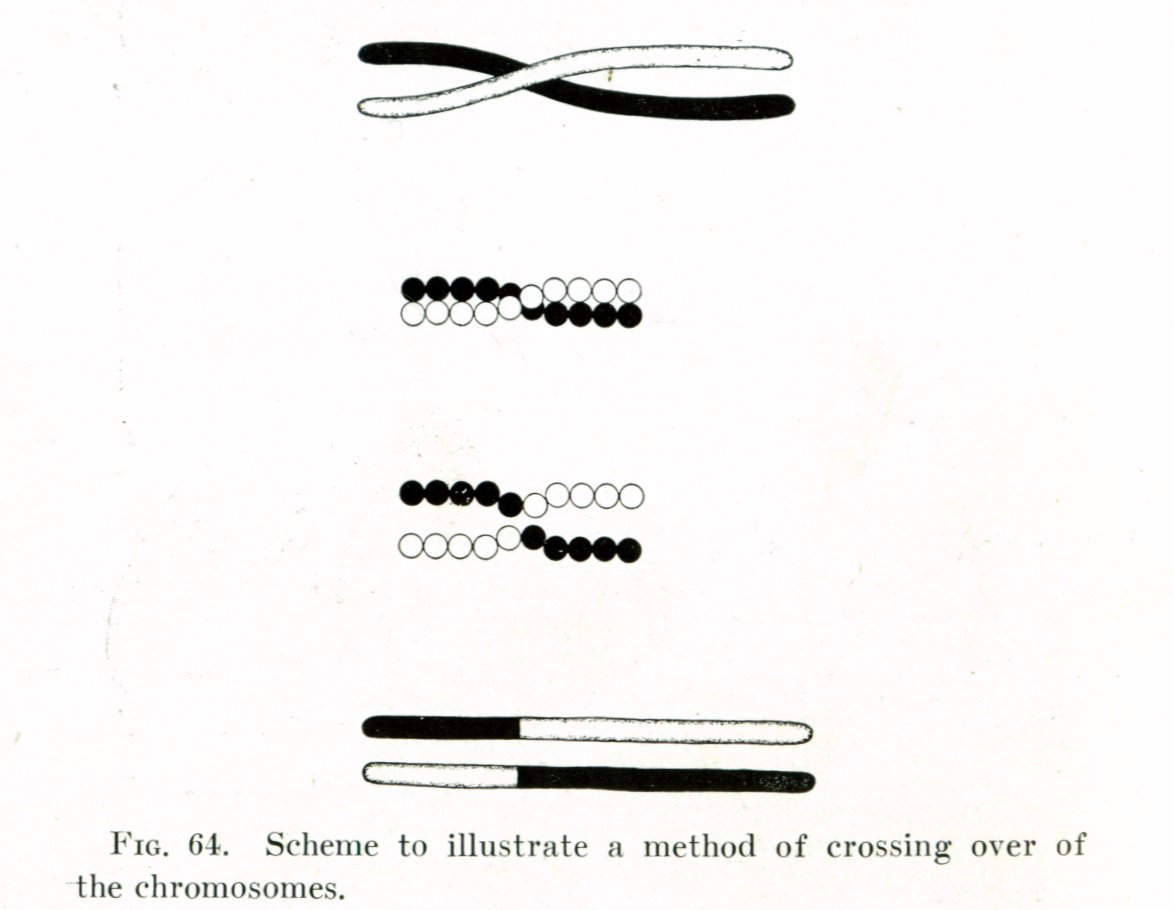
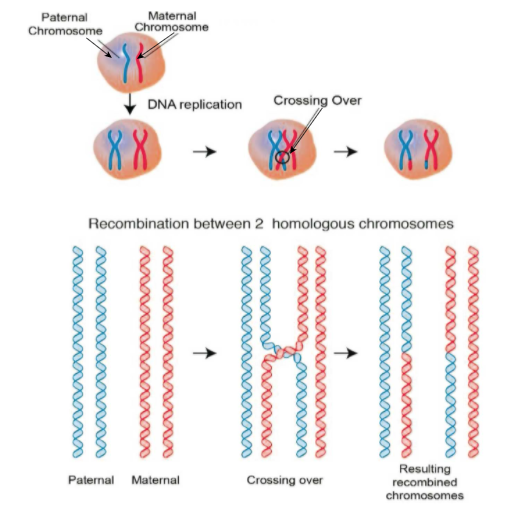
At the DNA level, meiotic recombination can be divided in four successive stages (Fig. 1 B): (1) initiation, which consists in the formation of programmed DNA DSBs; (2) DSB processing, which yields the recombinogenic single-strand tails; (3) homologous DSB repair, which involves the homologous recombination pathway and several meiosis-specific Homologous recombination is a type of genetic recombination in which nucleotide sequences are exchanged between two similar or identical molecules of DNA. During the formation of egg and sperm cells (meiosis), paired chromosomes from the male and female parents align so that similar DNA sequences can cross over, or be exchanged, from one

Homologous recombination Biology Diagrams
General features of meiosis. (A) At meiosis I, homologs segregate; at meiosis II, sisters segregate.At metaphase I (left), maternal (red) and paternal (black) chromosomes are held together by a chiasma comprising a reciprocal crossover (CO) plus connections along sister arms, which are released during segregation.(B) Monochiasmate bivalent of Locusta after bromodeoxyuridine (BrdU) incorporation.

Homologous recombination during meiosis underlies biological diversity and ensures proper chromosome segregation during the first division to create haploid gametes. During meiotic prophase-I, chromosomes develop highly organized three-dimensional structures where loops of chromatin emanate from structural axes that also interconnect sister

DNA repair, genetic engineering, meiosis ... Biology Diagrams
homologous recombination, the exchange of genetic material between two strands of DNA that contain long stretches of similar base sequences. Homologous recombination occurs naturally in eukaryotic organisms, bacteria, and certain viruses and is a powerful tool in genetic engineering.In eukaryotes, homologous recombination occurs during meiosis, playing a critical role in the repair of double In most cases, recombination is preceded by the formation of recombination nodules, which are protein complexes that form at potential points for recombination. The best studied mechanism for meiotic recombination involves a double-stranded break of one of the chromosomes initiated by the meiosis-specific endonuclease, Spo11. Figure 1. During meiosis, homologous recombination can produce new combinations of genes as shown here between similar but not identical copies of human chromosome 1.. Homologous recombination is a type of genetic recombination in which genetic information is exchanged between two similar or identical molecules of double-stranded or single-stranded nucleic acids (usually DNA as in cellular