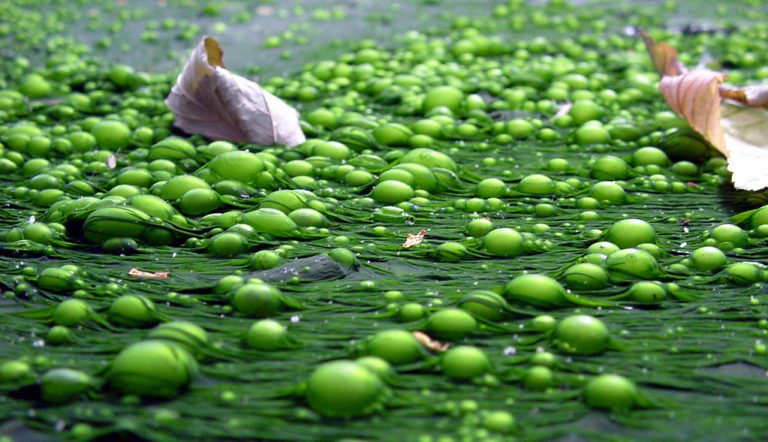
Chapter 14 Water Pollution Biology Diagrams Eutrophication, the gradual increase in the concentration of phosphorus, nitrogen, and other plant nutrients in an aging aquatic ecosystem such as a lake. Black Sea and elsewhere, hypoxic waters from cultural eutrophication have resulted in massive fish kills, with rippling effects throughout the food chain and local economies. Britannica Quiz.
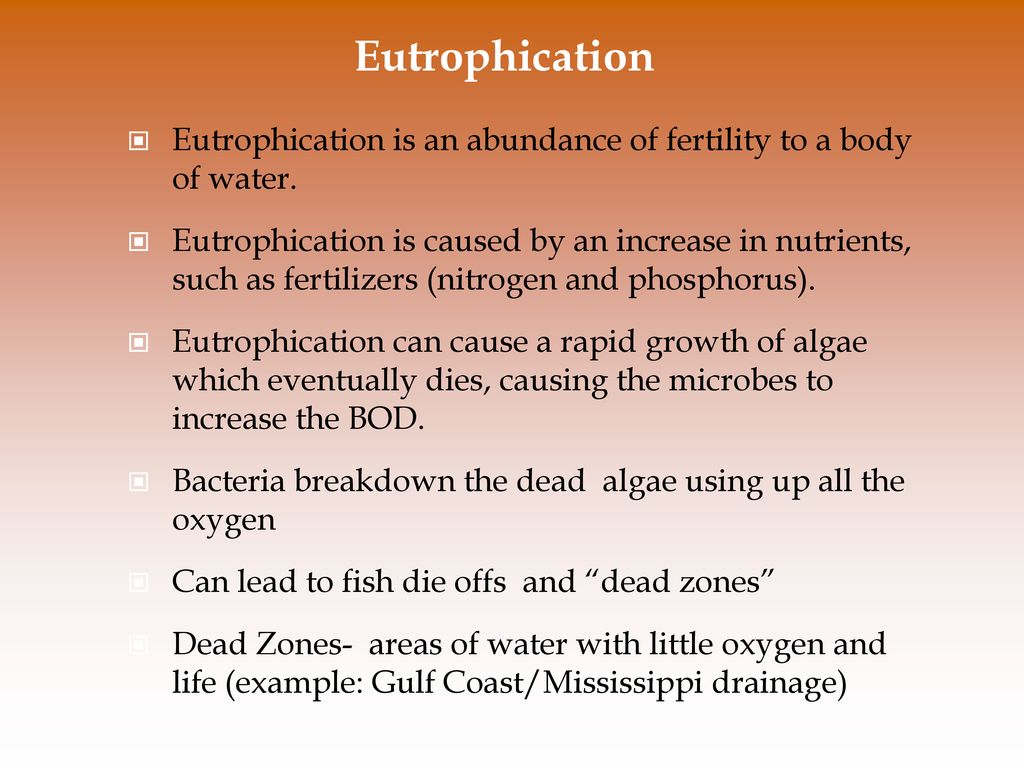
Natural Eutrophication. A process occurring as a lake or river ages hundreds or thousands of years is called natural eutrophication. It happens gradually by addition of nutrients from decaying plants and animals in a water body. This type of eutrophication occurs slowly and results from the natural aging of the water body. Cultural Eutrophication
.jpg)
Eutrophication: Causes, Types, and Effects • Microbe Online Biology Diagrams
The widening of the food chain and the diversified basis for the increased productivity influence the ecosystem at large. This was partly counterbalanced by a thinning of the highest trophic levels through human overexploitation of the increased production of dominant fish species, and through the negative consequences on the aquatic ecosystem 78% of global ocean and freshwater eutrophication is caused by agriculture. 1 Eutrophication is the pollution of waterways with nutrient-rich water. supply chains account for 18% of food emissions. This includes food processing, distribution, transport, packaging, and retail. CO 2 eq and warming effects are measured over a 100-year
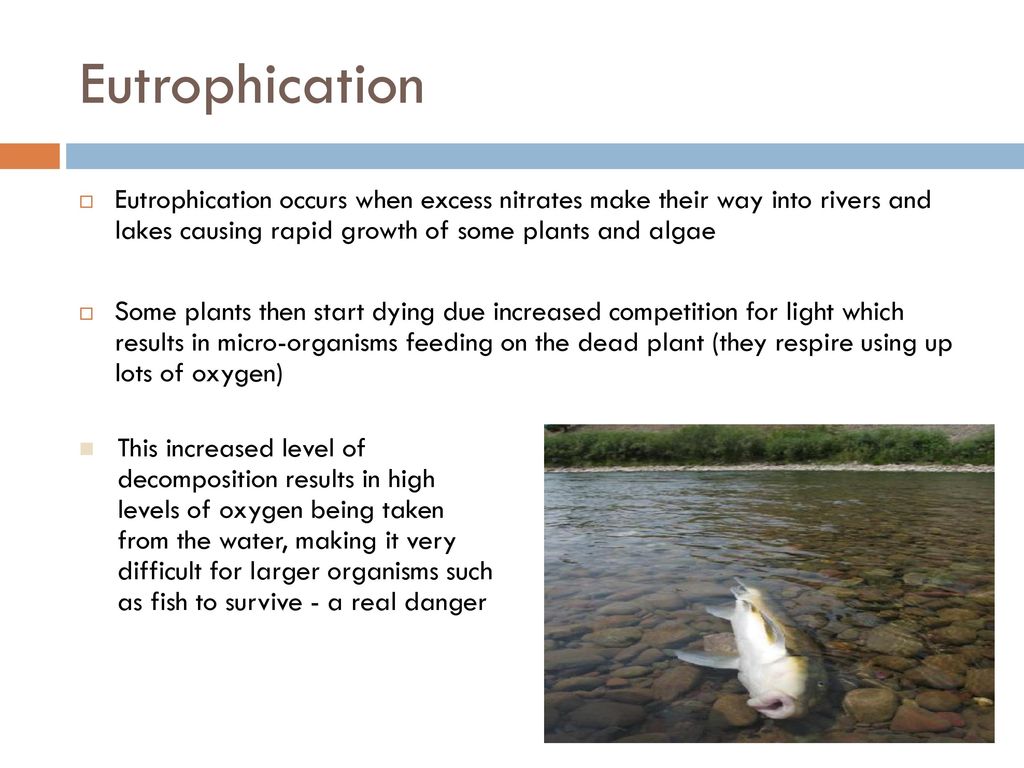
The most prominent effect of eutrophication of water resources is the formation of blooms of foul-smelling phytoplankton. These microorganisms reduce water clarity and might degrade the water quality. Various algal blooms are known as harmful algal blooms which produce a toxic compound that can make its way up the food chain to different
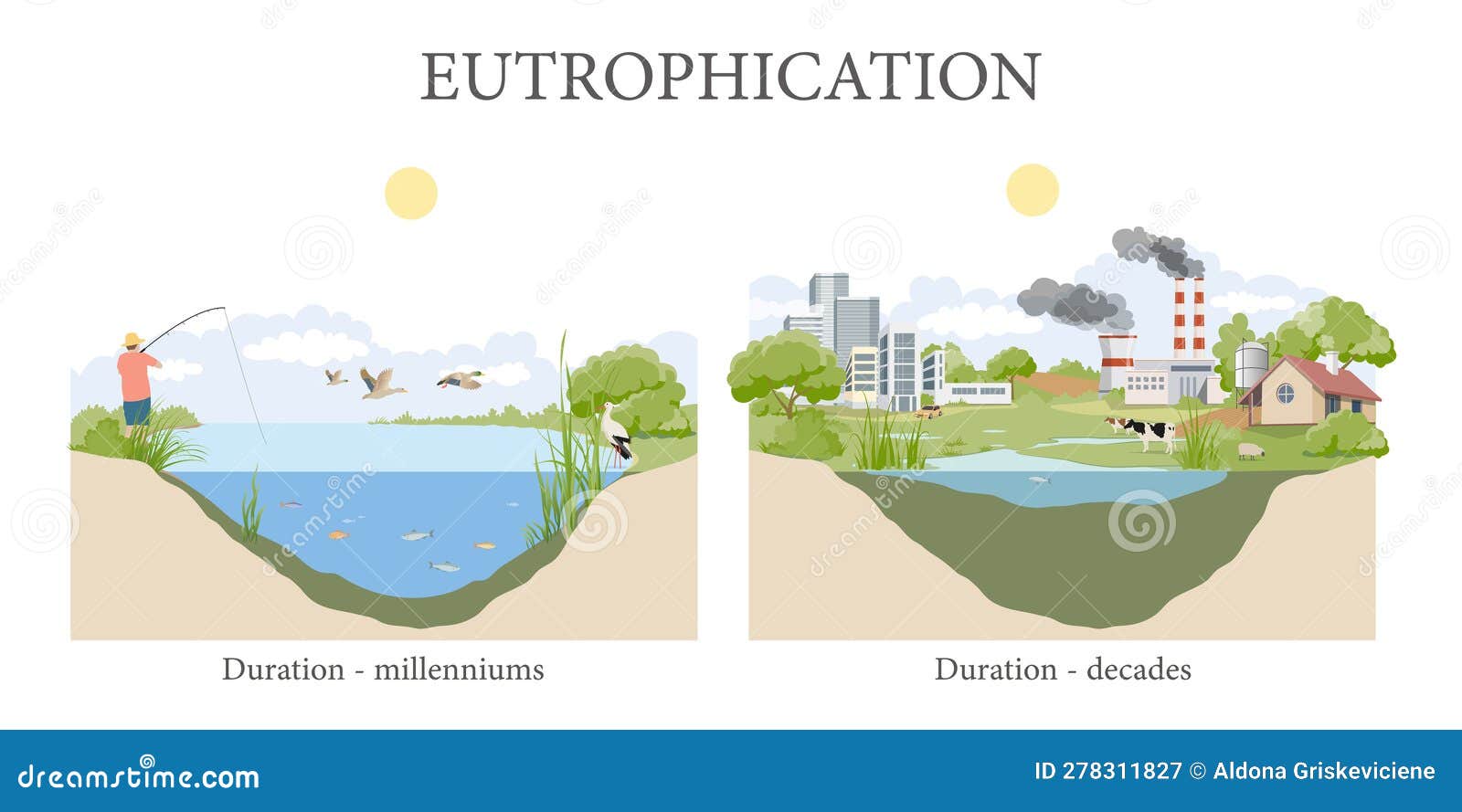
Eutrophication Explained: Causes and Ecological Consequences Biology Diagrams
Water Eutrophication and its Effect . Nutrient pollution is one of America's most widespread, costly and challenging environmental problems, and is caused by excess nitrogen and phosphorus in the air and water. After being consumed by small fish and shellfish, these toxins move up the food chain and hurt larger animals like sea lions Causes and effects of eutrophication: Eutrophication is characterized by dense algal and plant growth owing to increased concentration of chemical nutrients needed for photosynthesis. In an ecological food chain, consumers are classed into primary, secondary, and tertiary consumers. Primary consumers make up the second trophic level as they